Snoring might seem harmless, but when it becomes a nightly routine, it can disrupt both your sleep and your partner’s. To address it effectively, you first need to understand why snoring occurs.
Snoring happens when air struggles to move freely through your airway during sleep, causing surrounding tissues to vibrate.
While that sound might feel like a small inconvenience, it often points to underlying issues that deserve attention.
Understanding the Mechanics Behind the Noise
When you sleep, the muscles in your throat, tongue, and soft palate relax. In some people, this relaxation narrows the airway, forcing air to push through a smaller space.
That’s when vibration begins and snoring follows. The narrower your airway becomes, the louder and more frequent the sound.
Understanding this simple process helps you recognize not just that you snore, but why snoring occurs in your specific case.
Common Triggers You Might Overlook
Several everyday habits and conditions can contribute to snoring. Sleeping on your back, for instance, causes your tongue and soft palate to fall backward, partially blocking airflow.
Nasal congestion from allergies or colds can have a similar effect. Weight gain also plays a big role, as extra tissue around your neck puts pressure on your airway.
Alcohol and sedatives are other frequent culprits because they over-relax throat muscles, making vibration more likely. Even the natural aging process affects muscle tone, increasing the chance of snoring over time.
As you can see, it’s often a mix of several things working together rather than one single cause.
When Snoring Becomes a Health Concern
Occasional snoring might not raise alarms, but chronic, loud snoring can signal something more serious.
In many cases, it’s linked to sleep apnea, a condition where breathing repeatedly stops and starts during the night. When this happens, your body struggles to get enough oxygen, leaving you tired, foggy, and irritable during the day.
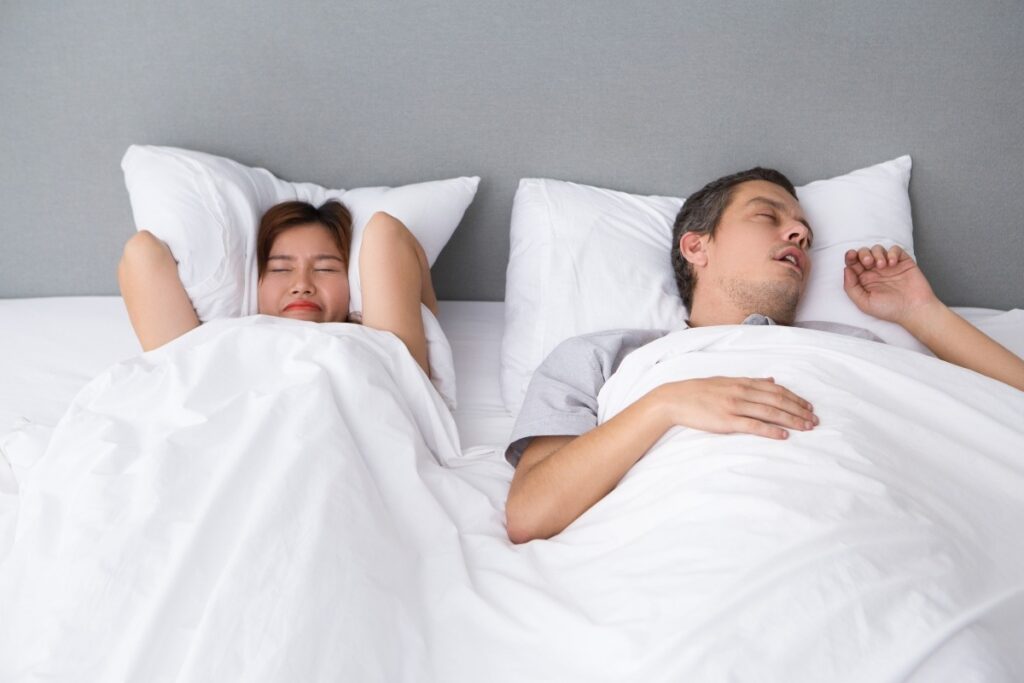
If you or your partner notice gasping, pauses in breathing, or daytime exhaustion, it’s worth investigating further.
A timely reaction could help identify sleep apnea early, and that early recognition can make a world of difference in your health and energy levels.
Taking Action for Better Sleep
The good news is that snoring can often be reduced with a few mindful changes. Try sleeping on your side, maintaining a healthy weight, and avoiding alcohol or sedatives before bed.
Nasal strips, humidifiers, or anti-snoring pillows can also help keep your airways open.
For persistent snoring, though, professional evaluation is key. Specialists trained in dental sleep medicine can provide custom oral appliance therapy that gently repositions your jaw or tongue, promoting smoother airflow and quieter nights.
Rest Easy: Taking Control of Your Sleep
Understanding why snoring occurs empowers you to take practical steps toward better sleep and health.
Small changes can bring big improvements not only in your rest but also in your daily energy and focus.
If snoring continues to affect your nights, don’t ignore it. The right treatment can restore comfort, silence, and quality sleep for everyone in your home.
Wake Up to Better Sleep with Nevada Dental Sleep
At Nevada Dental Sleep, we specialize in personalized solutions for snoring and sleep apnea.
Our team uses advanced, comfortable oral appliances to open your airway and help you breathe freely through the night. Take the first step toward peaceful sleep and refreshed mornings. Contact us today, and discover how easy better rest can be!