
Sleep apnea isn’t a condition you check once and forget because, as your body, routines, and health needs evolve, your sleep can change too.
That’s why knowing how often to retest for sleep apnea is an important part of protecting your long-term well-being.
When you stay aware of these shifts, you build a stronger foundation for better energy, focus, and overall health.
How Changes in Your Life Can Reset the Clock
Weight fluctuations, new medication routines, shifts in stress levels, or even a different work schedule can alter how well you breathe at night.
When these changes appear, they often influence how rested you feel during the day. You might notice common signs you might have sleep apnea, such as snoring, heavier fatigue, or trouble concentrating
These symptoms serve as signs that retesting may help you understand what’s happening behind the scenes.
Checking in sooner rather than later can help you understand what’s going on and keep your therapy effective.
The Timeframes Most Patients Follow
Sleep specialists often follow predictable retesting schedules, but the right timeline depends on your situation.
Many patients schedule assessments every year to make sure their therapy stays aligned with their needs, while others with stable symptoms may go a few years between tests.
Since sleep apnea influences health, staying on top of retesting can help prevent complications and ensure your therapy is effective.
If you recently started treatment, your provider may recommend earlier retesting to confirm whether your therapy settings truly support you.
Your CPAP device can also play a role. Modern machines track nightly patterns, and sudden shifts in airflow or pressure needs might prompt a new test.
These tools give you helpful information, but retesting delivers a more complete picture.
When Earlier Retesting Helps You Stay Ahead
If you have sleep apnea, you might have to check in with your doctor before your schedule suggests: for example, if your snoring returns, your daytime sleepiness increases, or your weight changes significantly.
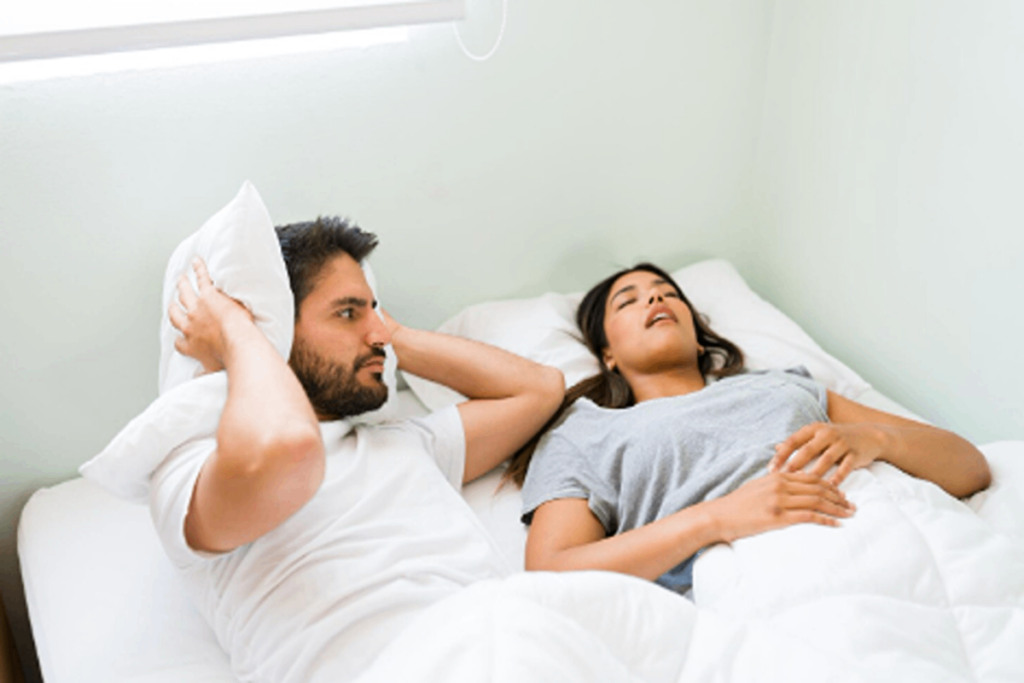
Surgery, heart-related concerns, and new medications can also affect your sleep quality.
Listening to these changes helps you decide how often to retest for sleep apnea so that it fits your health and needs.
Choosing the Right Retest and Understanding the Results
Retesting doesn’t look the same for everyone. In-lab sleep studies reveal detailed data, while home sleep apnea tests offer convenience with reliable insight for many patients.
Choosing quality sleep apnea services ensures you get the right guidance to understand whether your therapy still fits your needs. A trained sleep apnea specialist can help interpret your results and adjust your treatment if necessary.
Staying In Control of Your Long-Term Sleep Health
Retesting becomes easier when you view it as part of your long–term wellness routine.
Regular check-ins, ongoing conversations with your provider, and awareness of your symptoms help you stay on track with your sleep apnea treatment and know when retesting might be needed.
Staying in tune with your symptoms and your schedule protects your sleep, your daily energy, and your long-term health.
Take the Next Step Toward Better Sleep
If you want clearer answers, more personalized guidance, or expert support in managing sleep apnea, schedule a visit with Nevada Dental Sleep.
Our team offers advanced diagnostics, custom oral appliances, and long-term care built around your comfort and health.
We’re ready to help you breathe easier and sleep better, starting now.
Contact us today to take the first step toward better sleep and improved wellness!