Healthy breathing affects the way children grow, sleep, and focus throughout the day.
When airflow isn’t ideal, the effects often show up in ways parents don’t immediately connect to the airway: restless sleep, trouble concentrating, even changes in facial development.
As you look for trustworthy guidance, understanding what a pediatric airway dentist is helps you see how early, airway-focused care can support your child’s overall well–being.
How Airway-Focused Dentists Read Early Development
During a routine visit, in addition to checking for cavities, an airway-focused pediatric dentist will look at how your child’s face, jaws, and bite develop.
They’re trained to notice patterns like narrow arches, low tongue posture, or signs of chronic mouth breathing. These details often reveal airway limitations long before they become bigger problems.
This type of evaluation feels more holistic than a standard check-up. Instead of treating only what’s visible, the dentist assesses how your child breathes, sleeps, and uses their muscles.
That’s why parents who want a more complete understanding of childhood development often turn to airway-centered care.
A More Comprehensive Approach to Care
A pediatric airway dentist combines dentistry with growth guidance. They focus on how the jaws, tongue, and airway interact as your child matures.
You’ll often see them partner with ENTs, sleep specialists, and myofunctional therapists to address the core issue, rather than just the symptoms.
Their work centers on supporting proper facial development so the airway stays open. This specialty gives families a path to improve breathing quality, sleep patterns, and oral habits that impact long-term health.
As conversations around airway dentistry are becoming more common, more parents are recognizing how much this approach influences healthy development.
Treatment That Encourages Healthy Breathing
When a child needs support, the solutions need to be gentle and development-focused.
Oral appliance therapy helps widen the upper jaw to create room for the tongue, while myofunctional exercises strengthen breathing and swallowing patterns.
Habit correction also plays a huge role, because it guides kids away from mouth breathing and thumb-sucking.
By improving airflow, children often sleep more peacefully, focus better during the day, and feel more balanced overall.
Addressing these issues early can also reduce the need for extensive orthodontics later.
Knowing When to Seek an Evaluation
Some signs are subtle, and others are easy to spot once you know what to look for.
Snoring, grinding, mouth breathing, irritability, and difficulty paying attention often signal airway challenges.
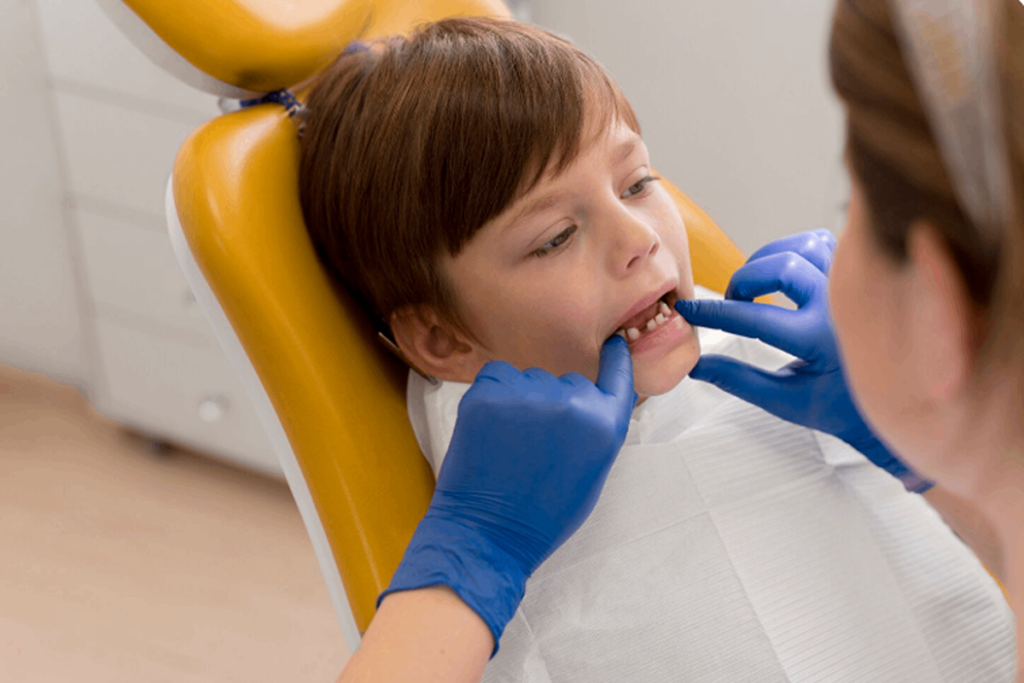
Oral habits like low tongue posture or frequent open-mouth resting patterns can also affect development.
When these patterns persist, it’s time to schedule a visit. Early assessments help your child avoid long-term complications and give you clarity about how their airway and facial growth interact.
Growing Stronger With Each Breath
Understanding what a pediatric airway dentist is allows you to support your child’s growth from the start and intervene properly if the need arises.
This type of proactive approach to airway health helps your child have better sleep, more balanced facial development, and a healthier future overall.
Schedule a Visit With Nevada Dental Sleep
If your child shows signs of airway challenges or struggles with sleep or oral habits, Nevada Dental Sleep offers airway-centered evaluations and treatment options designed to support healthy growth.
Reach out today to schedule an assessment and give your child the foundation for better breathing and lifelong wellness!